
Why Use a Car Cover? Indoor, Outdoor, Sun & Storage Protection
A car cover is not just an accessory. It is a practical way to protect your vehicle from sun, dust, rain, snow, tree sap, bird droppings, moisture, scratches and long-term storage damage. The key is choosing the right type of cover for where and how your car is stored.
If your vehicle sits outside in the driveway, under a carport, in a shared garage, inside a workshop or in seasonal storage, the right car cover can help preserve the paint, reduce cleaning, limit UV exposure and keep the car ready for its next drive.
Quick answer: use an outdoor car cover if your car is exposed to sun, rain, snow, dust or tree sap. Use an indoor car cover if the car is garaged but needs protection from dust, scratches and moisture. Use an inflatable car cover or car storage bubble for long-term storage, collector cars or situations where ventilation and separation from the paint are important.
What does a car cover protect against?
Different storage conditions create different risks. These visual bars are a practical guide to the protection priority, not laboratory test results.
Sun and UV exposure
A car cover for sun protection helps reduce direct UV exposure on paint, rubber seals, trim and interior surfaces.
Rain, snow and dirt
Outdoor car covers help protect against daily weather exposure, dirt, bird droppings and tree sap.
Hail risk
Hail protection requires realistic expectations and the right solution. A standard outdoor cover is not the same as a storage bubble.
Dust and garage dirt
Indoor car covers are ideal for garages, showrooms, workshops, shared parking and long-term indoor storage.
Moisture and condensation
A breathable car cover helps reduce trapped moisture, while storage bubbles add continuous airflow for long-term storage.
Scratches and rubbing
A soft lining, correct fit and secure fastening help reduce movement, friction and micro-scratches.
Which car cover should you use?
The best car cover depends on storage location, weather exposure, vehicle value and how long the car will remain parked.
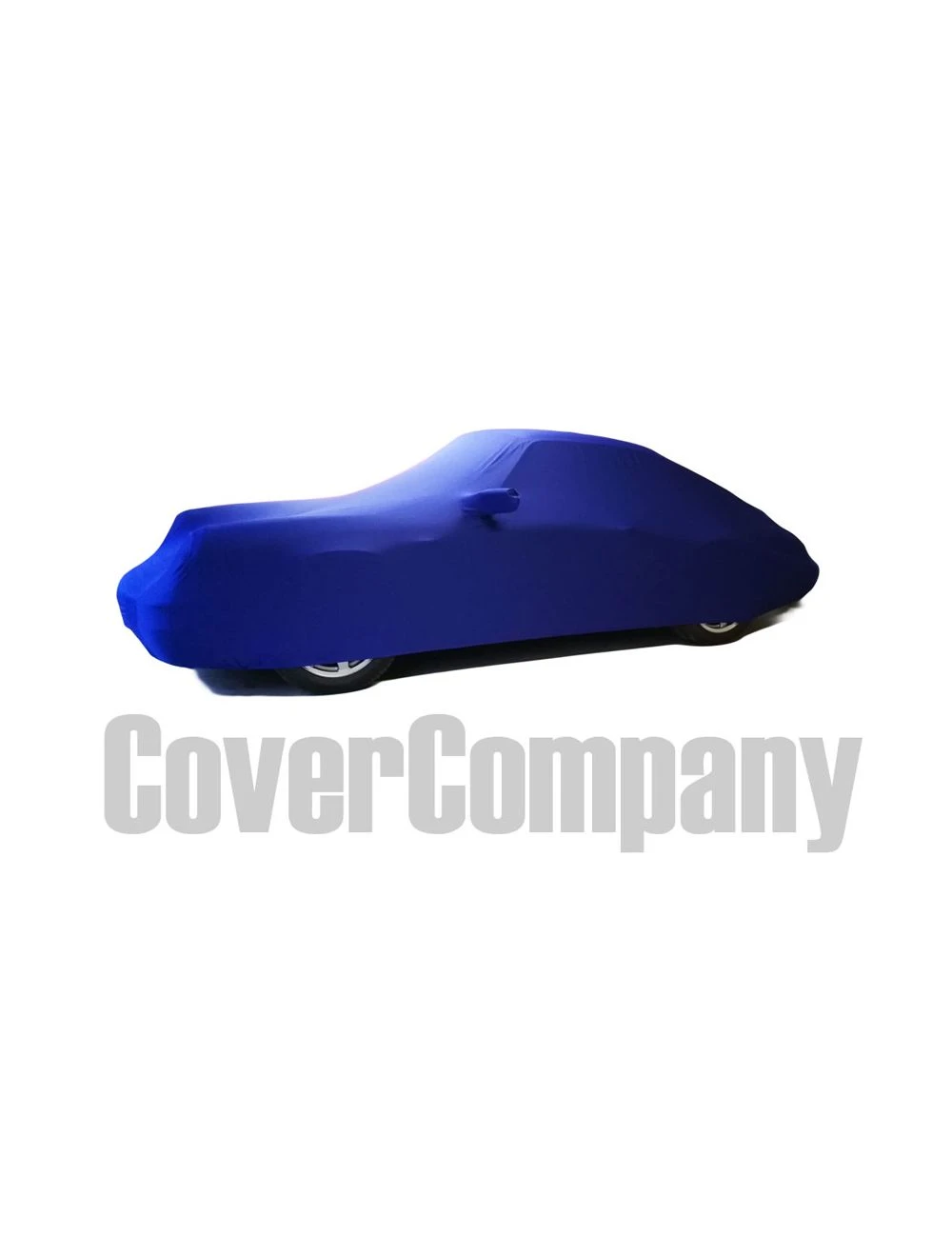
Indoor car covers
Best for garages, showrooms, workshops and collector cars stored inside. An indoor car cover protects against dust, light scratches, pets, tools, bicycles and garage dirt while keeping the vehicle clean and ready to drive.
- Soft lining for delicate paintwork.
- Breathable material for garage storage.
- Recommended for classic, premium and collector cars.
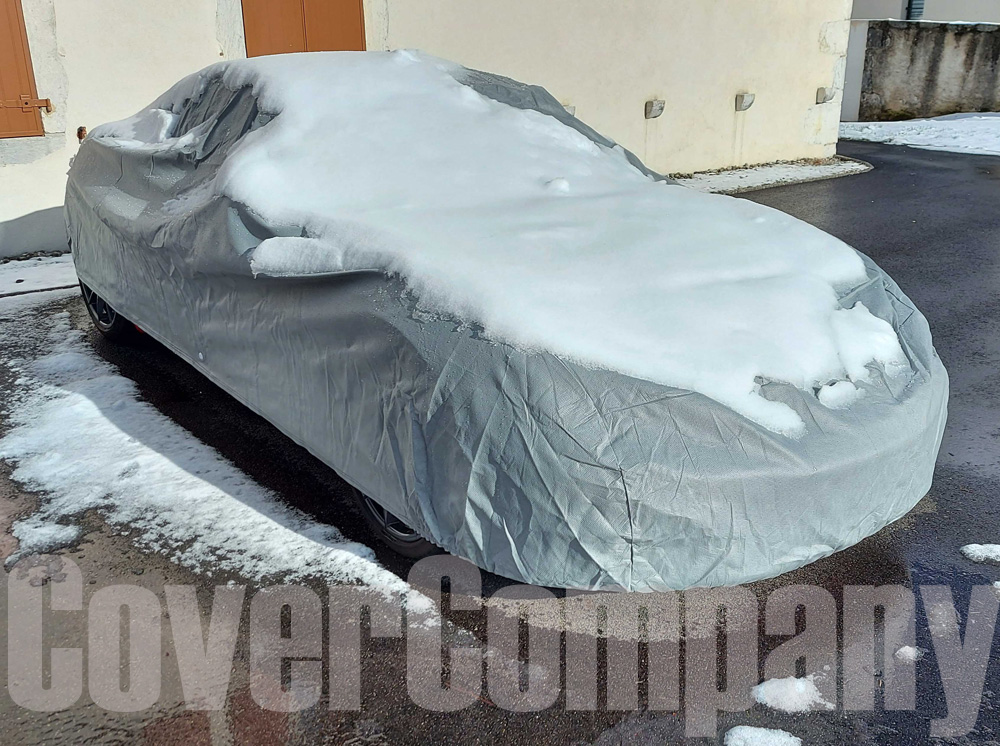
Outdoor car covers
Best for driveways, carports, street parking and vehicles exposed to weather. An outdoor car cover helps protect against sun, rain, snow, dirt, tree sap, bird droppings and UV exposure.
- Weather protection for outdoor parking.
- UV protection for cars exposed to the sun.
- Secure fit to reduce wind movement.
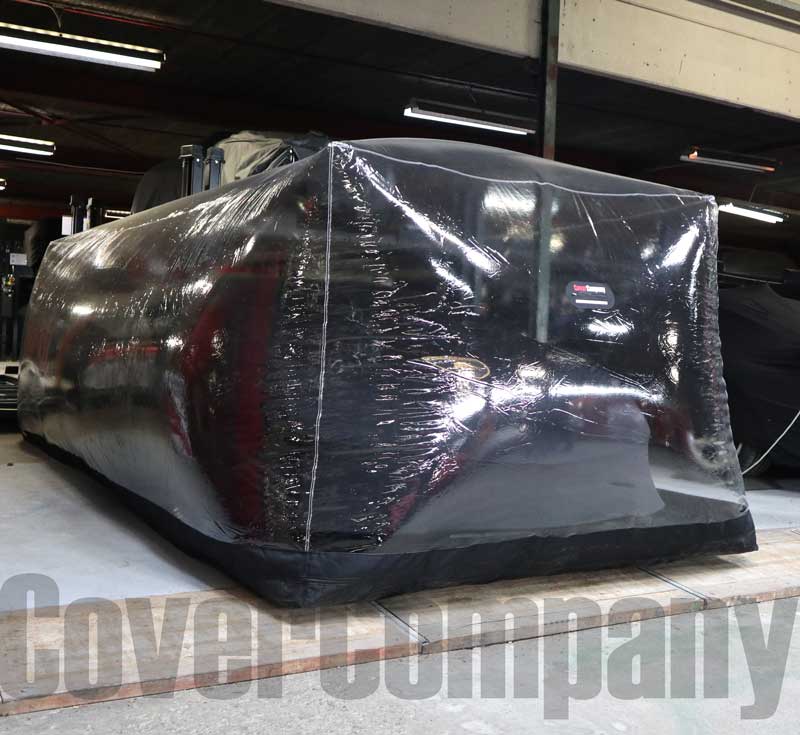
Inflatable car covers and storage bubbles
Best for long-term car storage, collector vehicles, classic cars and vehicles that need airflow. An inflatable car cover or car storage bubble creates a protected air chamber around the vehicle.
- No direct fabric contact with the paint.
- Helps reduce dust and moisture-related storage risks.
- Suitable for cars, SUVs and motorcycles.
Why should I use a car cover outside?
Outdoor parking exposes a vehicle to sunlight, UV rays, rain, snow, dust, bird droppings, tree sap, wind and dirt. Over time, these factors can affect paint, trim, seals, glass and interior surfaces. A high-quality outdoor car cover creates a protective barrier between the vehicle and the environment.
For outdoor storage, the cover should be weather-resistant, breathable, securely fitted and soft enough on the inside to protect the paint. A loose or poor-quality cover can move in the wind and may create rubbing, especially if dust is trapped between the cover and the bodywork.
This is why an outdoor car cover should not be chosen only by price. If your car is parked outside every day, look for weather resistance, UV protection, a secure fit and a breathable structure. These features help the cover perform better in real-world outdoor conditions.
How to cover a car from sun and UV damage
One of the most common reasons to use a car cover in the USA is sun protection. Strong sunlight and UV exposure can fade paint, dry rubber seals, age exterior trim and heat the cabin. If you are searching for how to cover a car from sun, the right solution is usually a breathable outdoor car cover with UV-resistant material.
A car cover for sun protection should reduce direct exposure while allowing moisture to escape. This balance is important because a non-breathable cover can trap heat and condensation. For cars parked in hot climates, under direct sun or in open driveways, a fitted outdoor cover is usually the best daily solution.
If the car is valuable, classic or stored for long periods, it may also be worth considering an inflatable car cover or storage bubble. This can be especially relevant when the vehicle is not driven often and needs a more stable storage environment.
Recommended route: for daily sun exposure, choose an outdoor car cover. For long-term storage or collector vehicles, compare inflatable car covers and storage bubbles.
Outdoor car storage: how to protect a car stored outside
Outdoor car storage requires more than simply parking the car and leaving it uncovered. A car stored outside can be exposed to sun, rain, snow, airborne dirt, falling leaves, bird droppings, tree sap and changing humidity. These risks increase when the vehicle is not driven regularly.
If you need to store a car outside, start with a clean vehicle, choose a suitable outdoor car cover, make sure the cover is correctly secured, and avoid trapping dirt between the cover and the paint. For longer storage periods, also consider tire position, battery care, ventilation and moisture control.
For classic cars or vehicles stored outside for extended periods, an outdoor rainproof car storage bubble can be a more complete solution than a conventional cover. It creates a protected structure around the vehicle and helps reduce direct contact with the bodywork.
Why should I use a car cover indoors?
A garaged car is protected from direct weather, but it is not fully protected. Dust, garage humidity, pets, bicycles, tools, boxes and nearby vehicles can still damage or dirty the car. An indoor car cover helps keep the vehicle clean and reduces the risk of light scratches during storage.
For indoor storage, softness and breathability are more important than heavy waterproofing. The best indoor car cover should be soft against the paint, easy to handle and breathable enough to help reduce trapped moisture. This is especially relevant for classic cars, luxury cars, sports cars, show cars and vehicles that are not used daily.
A custom indoor car cover also improves the appearance of the vehicle while stored. For owners who keep a Porsche, Corvette, Mustang, BMW, Mercedes, classic car or collector vehicle in a garage, a fitted indoor cover is often the most practical everyday protection.
Hail protection car cover: what to know before buying
Hail protection is a more demanding use case than ordinary sun or rain protection. A standard outdoor car cover can help against dirt, dust and weather exposure, but hail can vary greatly in size and impact. For this reason, it is important to avoid assuming that every outdoor cover is hail proof.
If you are searching for a hail protection car cover, hail car cover or car cover for hail protection, first consider how the vehicle is stored. A car parked outdoors for short periods may need a different solution than a collector vehicle stored for months. The more valuable the vehicle and the higher the hail risk, the more important it becomes to choose stronger storage protection.
For long-term storage, an inflatable car cover or car storage bubble may be the better option because it creates separation around the vehicle. For daily use, a weather-resistant outdoor cover can still be useful, but expectations should be realistic.
Custom car covers vs universal car covers
Fit is one of the main reasons why car cover prices vary. A universal car cover is designed to fit a broad range of vehicles, but it may leave excess fabric, sit loosely around mirrors or bumpers, or move more easily in wind. This can be acceptable for basic short-term protection, but it is not always the best option for outdoor storage or premium vehicles.
A custom car cover is designed around the vehicle model, giving a closer and cleaner fit. This can improve appearance, reduce movement and offer better protection in real use. Custom fit is especially useful for cars with distinctive shapes, spoilers, mirrors, wide bodies or delicate paintwork.
Universal cover
Basic protection for general use when budget is the main priority.
Fit precision: basic
Semi-custom cover
Better shape and adjustment than standard covers for many modern vehicles.
Fit precision: good
Custom car cover
Designed around the vehicle model for a closer fit and cleaner appearance.
Fit precision: best
What makes a good car cover?
- Correct use case: indoor, outdoor, transport or long-term storage.
- Breathable material: helps reduce trapped moisture and condensation risk.
- Soft inner surface: important for protecting paint from micro-scratches.
- Secure fit: reduces movement in wind and improves protection.
- UV and weather resistance: essential for outdoor car covers.
- Easy handling: lightweight, practical to install and easy to store.
- Custom fit option: recommended for classic, premium or unusual body shapes.
Car cover questions
Is a car cover worth it?
Yes, if the cover matches the storage situation. A car cover is especially useful for outdoor parking, sun exposure, long-term storage, garage dust, classic cars and vehicles that are not used every day.
Can a car cover damage paint?
A poor-quality, dirty or badly fitted cover can create rubbing. A good car cover should have a soft inner surface, breathable material and a secure fit. Always install the cover on a clean vehicle when possible.
Should I use a waterproof car cover?
For outdoor storage, water resistance is important, but breathability also matters. A cover that traps moisture can create condensation problems. The best outdoor car cover balances weather protection with moisture management.
What is the best cover for outdoor car storage?
For regular outdoor parking, choose a weather-resistant outdoor car cover. For long-term outdoor storage, consider a stronger solution such as an outdoor rainproof car storage bubble, especially if the vehicle is valuable, classic or rarely used.
What is the best cover for a classic car?
For indoor storage, a soft custom indoor car cover is usually the best option. For long-term storage or high-value collector vehicles, an inflatable car storage bubble may offer a higher level of protection and ventilation.
Choose your car cover
The right car cover depends on where your vehicle is stored, how often it is used, the weather exposure and the value of the car. Use an indoor cover for garage storage, an outdoor cover for daily weather exposure, and an inflatable storage bubble for long-term protection.